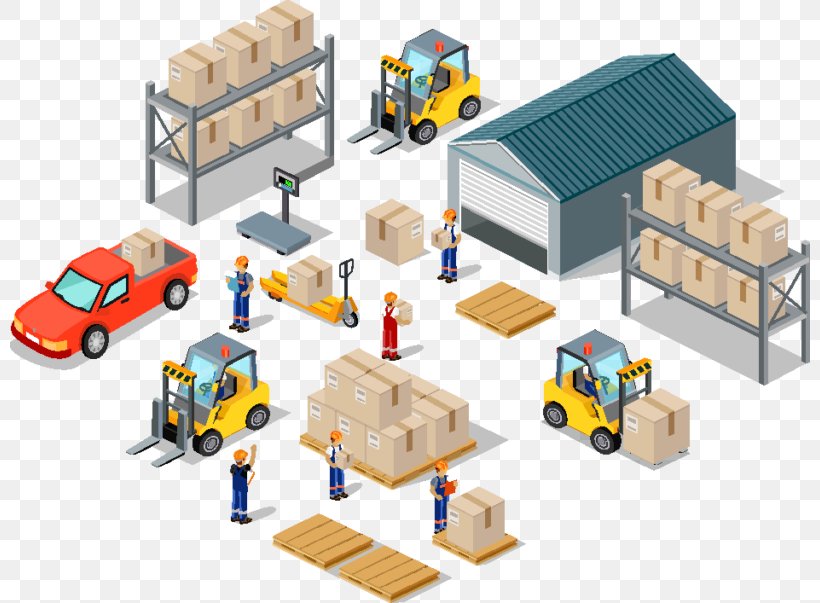
In today’s fast-paced world, where time is money and efficiency reigns supreme, PAN India transportation has become a cornerstone of success for businesses across the country. The ability to seamlessly move goods from one corner of India to another can set a company apart in an increasingly competitive market. With diverse terrains, bustling cities, and remote villages, navigating the logistics landscape in India presents both opportunities and challenges.
As industries continue to expand their reach nationwide, understanding the intricacies of PAN India logistics becomes essential. Whether you're a small startup or a large corporation, establishing an effective transportation network isn't just about moving products; it's about creating connections that foster growth. This blog will delve into the current state of logistics in India while exploring innovative strategies for overcoming obstacles and ensuring smooth distribution across this vast nation. Let’s embark on this journey toward mastering seamless transportation!
Understanding PAN India Logistics Landscape
The PAN India logistics landscape is as diverse as the country itself. It encompasses a wide range of transportation modes, including roadways, railways, air freight, and waterways. Each mode serves unique purposes and caters to different needs.
India's geographical diversity adds layers of complexity. From urban hubs like Mumbai and Delhi to remote villages in the Northeast, effective logistics must account for varying infrastructure conditions. Road networks may be well-developed in some regions but lack connectivity in others.
Additionally, regulatory frameworks differ across states. Adapting to local laws ensures compliance while minimizing delays. Understanding these nuances helps businesses navigate potential pitfalls more effectively.
Moreover, evolving customer expectations demand faster deliveries and real-time tracking capabilities. This shift pushes logistics providers to innovate continuously and enhance service offerings across all corners of India’s vast expanse. The challenge lies not just in movement but also in creating an interconnected system that enhances overall efficiency.
Key Challenges in Nationwide Transportation
Nationwide transportation in India faces several hurdles. Infrastructure gaps are a significant concern. Many roads require upgrades, leading to delays and increased costs.
Traffic congestion is another major issue. Urban areas often experience bottlenecks, slowing down deliveries and affecting schedules. This unpredictability can be frustrating for businesses relying on timely shipments.
Regulatory complexities add to the challenge as well. Different states have varying rules regarding transport permits and taxes, complicating logistics operations across regions.
Additionally, fluctuating fuel prices create budgetary constraints for companies engaged in PAN India transportation. A sudden spike in costs can throw off planned expenditures significantly.
Workforce shortages impact efficiency. Finding skilled drivers who understand long-distance travel issues is becoming increasingly difficult as demand rises in the logistics sector.
Innovative Solutions for Seamless Distribution
Innovative solutions are reshaping the landscape of PAN India logistics. From warehouse automation to advanced inventory management systems, businesses are leveraging cutting-edge technologies.
Smart distribution centers equipped with robotics streamline picking and packing processes. This ensures faster turnaround times and reduces human error significantly.
Moreover, the adoption of real-time tracking systems enhances visibility across supply chains. Companies can monitor shipments at every stage, allowing for quick adjustments when needed.
Sustainable practices also play a crucial role in innovation. Electric vehicles and optimized route planning minimize carbon footprints while maximizing efficiency.
Collaboration with startups specializing in logistics tech brings fresh ideas into traditional frameworks. These partnerships foster innovative thinking that drives growth within the industry.
With these advancements, businesses can navigate challenges more effectively. The future of seamless distribution looks promising as innovation continues to take center stage.
Role of Technology in Enhancing Efficiency
Technology plays a pivotal role in enhancing efficiency within PAN India logistics. Advanced tools like GPS tracking systems provide real-time visibility of shipments, allowing businesses to monitor their goods at every stage.
Automated warehousing solutions reduce manual errors and optimize storage. Robotics and AI streamline sorting processes, ensuring quicker turnaround times.
Data analytics is another game-changer. It helps companies forecast demand accurately, minimizing excess inventory and associated costs. By analyzing traffic patterns, logistics providers can plan routes that save time and fuel.
Mobile applications also empower drivers with instant updates on deliveries and potential delays. This connectivity fosters proactive communication between teams on the ground.
Blockchain technology offers security by ensuring transparent transactions across the supply chain. The trust it builds among stakeholders enhances collaboration while reducing fraud risks.
Embracing these technological advancements is essential for staying competitive in the fast-evolving landscape of PAN India transportation.
Collaborating with Local and National Partners
Collaboration is key in the realm of PAN India logistics. By partnering with local and national players, businesses can enhance their distribution capabilities significantly.
Local partners offer valuable insights into regional markets. They understand customer preferences and regulatory requirements better than anyone else. This knowledge allows for quicker adaptations to changing demands.
National partnerships bring scale and extensive networks into play. These alliances streamline operations across vast distances, reducing transit times while optimizing costs.
Effective communication between partners fosters trust and transparency. Sharing data on inventory levels or shipment statuses can prevent delays and improve service quality.
Moreover, collaborating with a mix of local expertise and national reach creates a robust logistical framework that benefits all parties involved. It leads to innovative solutions tailored specifically for diverse geographical challenges in India’s complex landscape.
Strategies for Optimizing Supply Chain Networks
To optimize supply chain networks, companies must first assess their current processes. Identifying bottlenecks and inefficiencies is crucial. This allows for targeted improvements that can enhance overall performance.
Next, adopting a demand-driven approach helps align production with market needs. By forecasting accurately, businesses can minimize excess inventory while ensuring timely deliveries.
Investing in automation also plays a significant role. Automated systems reduce manual errors and speed up operations, leading to faster decision-making.
Furthermore, integrating real-time data analytics is essential. It enables stakeholders to monitor progress continuously and make adjustments as necessary.
Collaboration across departments fosters communication and improves coordination between teams involved in logistics tasks.
Nurturing relationships with suppliers enhances flexibility within the network. Strong partnerships lead to better resource allocation and quicker response times during disruptions or unexpected changes in demand.
Future Trends in Indian Logistics Industry
The Indian logistics industry is on the brink of transformation. With rapid urbanization and e-commerce growth, demand for efficient PAN India transportation is skyrocketing.
Sustainability is becoming a key focus. Companies are exploring eco-friendly practices, from electric vehicles to green warehousing solutions. Reducing carbon footprints will not only meet regulatory standards but also resonate with environmentally conscious consumers.
Automation and robotics are paving the way for increased efficiency. Automated warehouses can enhance order fulfillment speeds while reducing labor costs. Drones might soon play a significant role in last-mile delivery, making logistics faster and more reliable.
Data analytics is revolutionizing decision-making processes. Businesses can now predict trends, optimize routes, and manage inventory levels effectively by harnessing big data insights.
These innovations promise to reshape how goods move across India’s vast landscape, ensuring that companies stay competitive in an evolving market.
Achieving Seamless Nationwide Connectivity
Achieving seamless nationwide connectivity is crucial for effective PAN India transportation. It’s about creating a network that integrates various modes of transport, including road, rail, air, and waterways.
Collaboration among different stakeholders plays a significant role in this process. Logistics providers need to work closely with government bodies and infrastructure developers to ensure smooth operations.
Real-time data sharing can enhance communication across the supply chain. By using advanced tracking systems, companies can monitor their shipments at every stage. This transparency builds trust and improves service levels.
Strategic planning is vital for optimizing routes. Analyzing traffic patterns and weather conditions helps in making informed decisions that minimize delays.
Investing in logistics hubs further boosts efficiency by consolidating resources. These centers act as key nodes where goods can be sorted quickly before distribution throughout the country.